


Why Luxury Homes in Cape Town Need Climate Control Designed Before Construction

- 10 July, 2026
- 0 Comment
Why Luxury Homes in Cape Town Need Climate Control Designed Before Construction
Building a luxury home in Cape Town is about much more than creating a beautiful space. Every detail is carefully considered, from the architectural lines and natural materials to the lighting, automation, and interior finishes.
Yet one of the most important elements of comfort is often left until construction is already underway.
Climate control.
Unfortunately, by the time many homeowners begin thinking about air conditioning, the opportunity to create a truly integrated system has already been compromised.
At Pinnacle Airconditioning, we believe climate control should be part of the architectural design process not simply installed after the house has been built.
For homeowners, architects, interior designers and builders throughout Cape Town and the Western Cape, involving a climate control specialist early results in a home that is quieter, more efficient, more beautiful, and significantly more valuable.
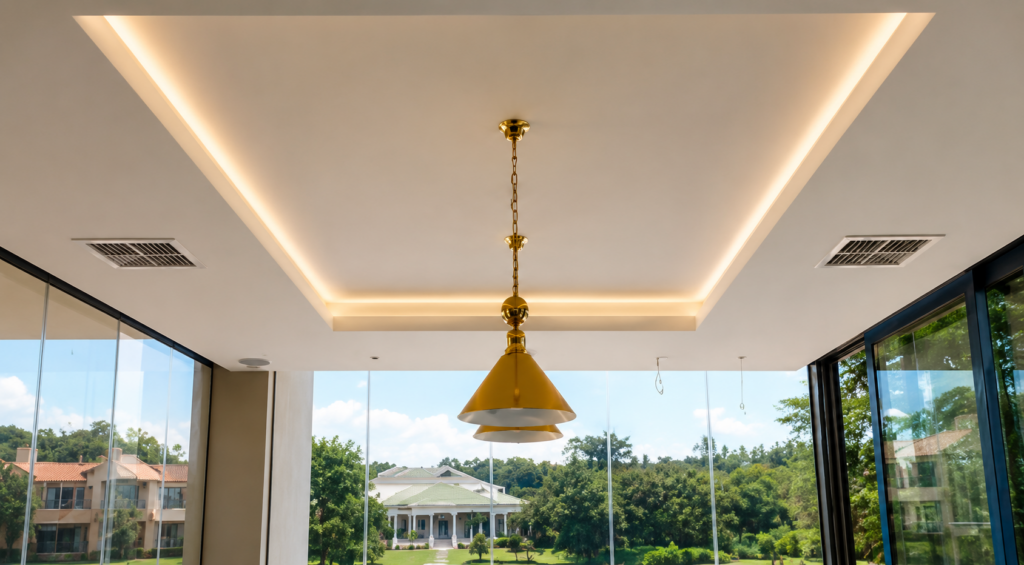
Luxury Homes Deserve More Than Wall-Mounted Air Conditioners
High-end homes are designed to create an experience.
- Clean ceilings.
- Minimalist interiors.
- Large glass openings.
- Feature lighting.
- Architectural joinery.
- Nothing is left to chance.
Adding visible wall-mounted units after construction often compromises everything the architect and interior designer have worked so hard to achieve.
Instead, luxury homes benefit from purpose-designed climate control systems that become virtually invisible.
These systems can include:
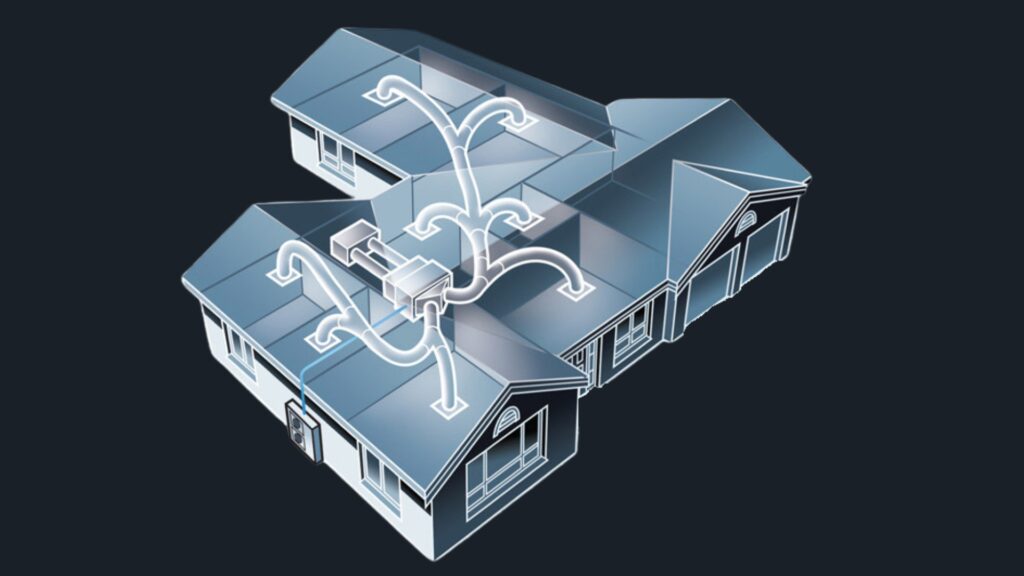
- Concealed ducted air conditioning
- Architectural linear slot diffusers
- Discreet return air grilles
- Individual room zoning
- Smart home integration
- Whisper-quiet airflow
The goal is simple:
You should feel the comfort, not see the system.

Cape Town Homes Present Unique Design Challenges
Cape Town is unlike anywhere else in South Africa.
Luxury homes are often designed around:
- Ocean views
- Large expanses of glass
- Double-volume living spaces
- Flat concrete roofs
- Open-plan entertainment areas
- Indoor-outdoor living
While these features are spectacular, they also create significant heating and cooling challenges. Homes overlooking the Atlantic Ocean can experience strong solar heat gain during summer. Mountain-facing properties often have different temperature profiles between rooms. The famous south-easter can dramatically influence comfort depending on orientation.
Without careful climate control design, homeowners frequently experience:
- Hot upstairs bedrooms
- Uneven temperatures
- Excessive energy consumption
- Noisy systems
- Visible bulkheads added as an afterthought
These issues are rarely caused by the equipment itself. They’re usually caused by poor planning.

The Biggest Mistake Happens Before Construction Even Begins
Many homeowners assume air conditioning can simply be added later. Technically, it can. But adding climate control after construction usually means working around the house instead of designing with it.
That often results in:
- Lower ceilings
- Larger bulkheads
- Compromised lighting layouts
- Difficult duct routes
- More outdoor units
- Higher installation costs
When climate control is incorporated during the architectural stage, everything works together.
The architect, structural engineer, interior designer and climate specialist can coordinate:
- Ceiling voids
- Plant room locations
- Bulkhead dimensions
- Service routes
- Outdoor condenser positioning
- Return air locations
- Access for maintenance
This collaborative approach produces a cleaner final result while often reducing costly changes during construction.
Better Planning Creates Better Architecture
One of the biggest misconceptions is that air conditioning simply involves selecting a machine based on room size. Luxury climate control is far more technical. Every room should be evaluated individually.
Factors include:
- Orientation to the sun
- Window size and glazing type
- Ceiling height
- Insulation
- Occupancy
- Heat generated by appliances
- Lifestyle requirements
- Architectural finishes
Only after understanding these variables can the correct system be designed. This ensures every room receives the airflow it actually requires not simply what fits inside the ceiling.

Invisible Comfort Is Planned, Not Added
Some of the world’s most impressive homes have one thing in common. You hardly notice the climate control. The air simply feels comfortable. There are no obvious wall units. No noisy airflow. No oversized grilles dominating the ceiling.
Instead, discreet architectural diffusers blend naturally into the design.
The mechanical system becomes almost invisible. This level of integration only happens when climate control is considered before construction begins.
Why Architects Appreciate Early Climate Control Design
Architects spend years developing their ability to create elegant, functional spaces. Late mechanical changes can undo months of careful planning.
By working with a specialist early, architects gain:
- Greater design flexibility
- Cleaner ceiling layouts
- Better coordination with structural elements
- Reduced site variations
- Improved client satisfaction
- More predictable construction outcomes
Climate control becomes another design discipline not an obstacle.

Interior Designers Benefit Too
Interior designers often inherit problems created earlier during construction.
- Visible units.
- Awkward bulkheads.
- Poor diffuser placement.
- Ceilings filled with conflicting services.
When climate control is integrated from the start, designers retain greater freedom over:
- Furniture layouts
- Ceiling detailing
- Lighting placement
- Feature ceilings
- Joinery
- Decorative finishes
The finished home feels intentional rather than compromised.
Builders Save Time and Reduce Costly Changes
Late design changes are expensive.
- Rebuilding ceilings.
- Moving services.
- Adjusting lighting.
- Relocating ductwork.
- Installing additional bulkheads.
All of these increase project costs.
Early climate control coordination reduces unnecessary rework and keeps projects moving efficiently. Builders appreciate having coordinated drawings before construction reaches advanced stages.
Smart Climate Control Is Becoming the New Standard
Today’s luxury homeowners expect technology to simplify everyday living.
Modern climate control systems can offer:
- Individual room temperature control
- Zoned operation
- Smartphone control
- Scheduled operation
- Energy optimization
- Integration with home automation systems
Rather than cooling the entire house, zoning allows homeowners to condition only the rooms being used. This improves comfort while reducing energy consumption. Planning these systems before construction ensures wiring, controls and equipment locations are seamlessly incorporated into the overall design.
Energy Efficiency Starts with Good Design
Many homeowners focus only on the efficiency rating of the equipment. While efficient equipment is important, system design often has a far greater impact on long-term performance.
- Correctly sized ducting.
- Balanced airflow.
- Proper return air design.
- Accurate heat-load calculations.
- Well-positioned diffusers.
These factors determine whether the system operates quietly and efficiently for years. Good design protects the homeowner’s investment.

Why Cape Town Homeowners Are Planning Earlier Than Ever
Across Cape Town and the Western Cape, luxury residential construction continues to evolve. Architect-designed homes increasingly demand integrated building services from the earliest design stages. Homeowners are recognizing that climate control is no longer an optional finishing touch. It is an essential part of creating a comfortable, efficient and beautifully finished home. The earlier it is planned, the better the final result.
Why Choose Pinnacle Airconditioning?
At Pinnacle Airconditioning, we specialize in climate control for architect-designed homes and luxury residential projects. We work alongside homeowners, architects, interior designers and builders to develop bespoke climate control solutions that complement the architecture rather than compete with it.
Our approach focuses on:
- Early project involvement
- Detailed design coordination
- Architectural integration
- Quiet system performance
- Energy efficiency
- Premium workmanship
- Long-term reliability
Whether your project is in Cape Town, the Atlantic Seaboard, Southern Suburbs, the Winelands, the Garden Route or elsewhere in South Africa, our goal remains the same:
Design comfort that becomes part of the home not an afterthought.
Planning a Luxury Home in Cape Town?
The best time to design your climate control system is before construction begins.
If you’re currently working with an architect, interior designer or builder, or you’re planning your dream home our team can assist from the earliest stages of the project.
Early collaboration allows us to coordinate ducting, ceiling layouts, plant spaces and diffuser locations before costly compromises arise.
Speak to Pinnacle Airconditioning today to discuss your project.
Whether you’re building a luxury home in Cape Town, the Atlantic Seaboard, Constantia, Bishopscourt, Clifton, Camps Bay, Bantry Bay, Fresnaye, the Cape Winelands, Somerset West, Paarl, Stellenbosch, George, Knysna or anywhere in the Western Cape, we’ll help you design a climate control solution that complements your home from day one.
Because true luxury isn’t just about how a home looks.
It’s about how perfectly it feels.